Ocean Liners
Ocean Liners: A Different Way to Cross the Sea
Ocean liners are purpose-built vessels designed to transport passengers across oceans on scheduled routes, prioritising speed, seaworthiness, and elegance over resort-style amenities. They historically connected continents, such as the transatlantic route between Europe and North America, and remain distinct from cruise ships in design and purpose.
What Defines an Ocean Liner?
Purpose-Built for the Open Ocean
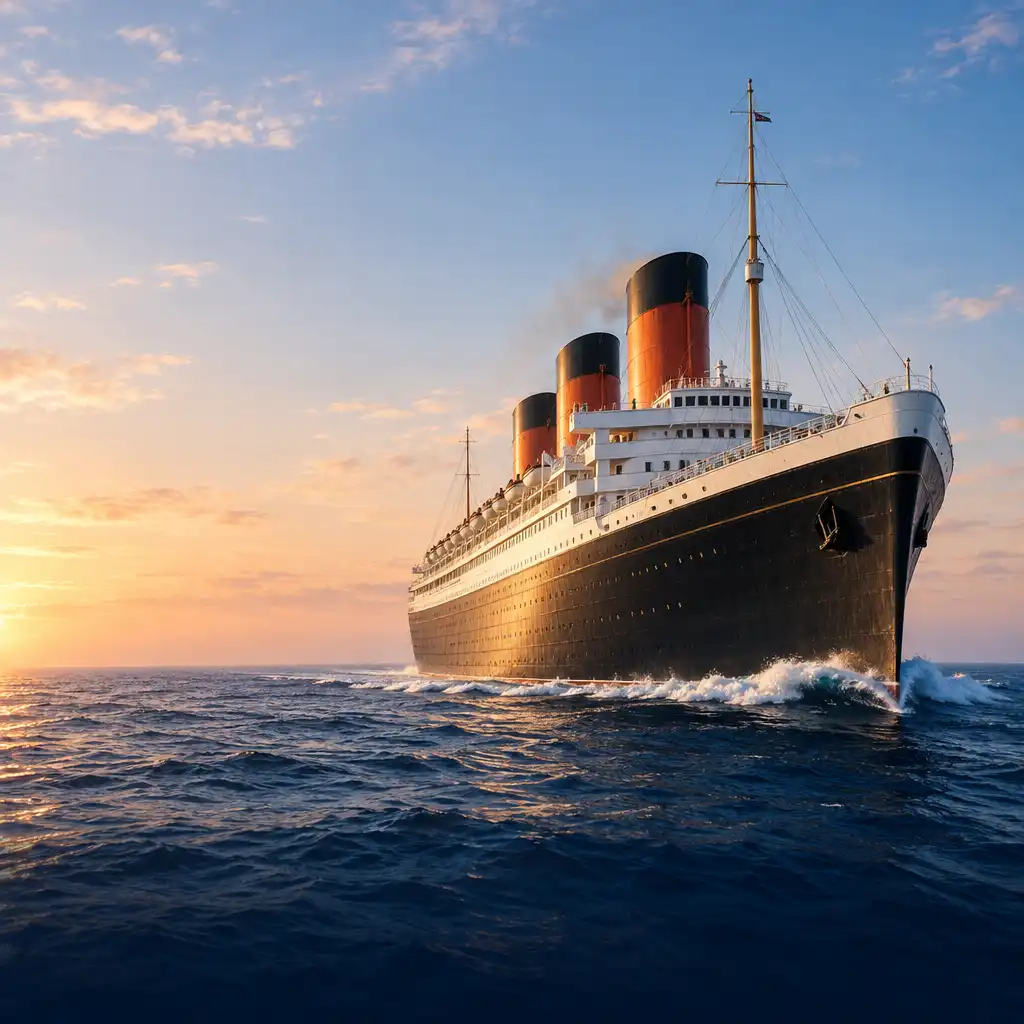
Ocean liners are engineered for scheduled transoceanic voyages, with hulls designed to maintain speed and stability in rough seas. Liners have a deeper draft, stronger bow, and higher freeboard than cruise ships. They were historically built to meet mail delivery contracts, which required reliable schedules, and speed was a point of pride, with liners competing for the Blue Riband.
Because they are built for point-to-point ocean crossings, liners prioritise seaworthiness and speed over onboard amenities. This fundamental difference shapes every aspect of the vessel, from the reinforced plating to the way public rooms are arranged around the rhythms of a long sea passage.
A Legacy of Elegance and Formality
The Ocean Liner Experience
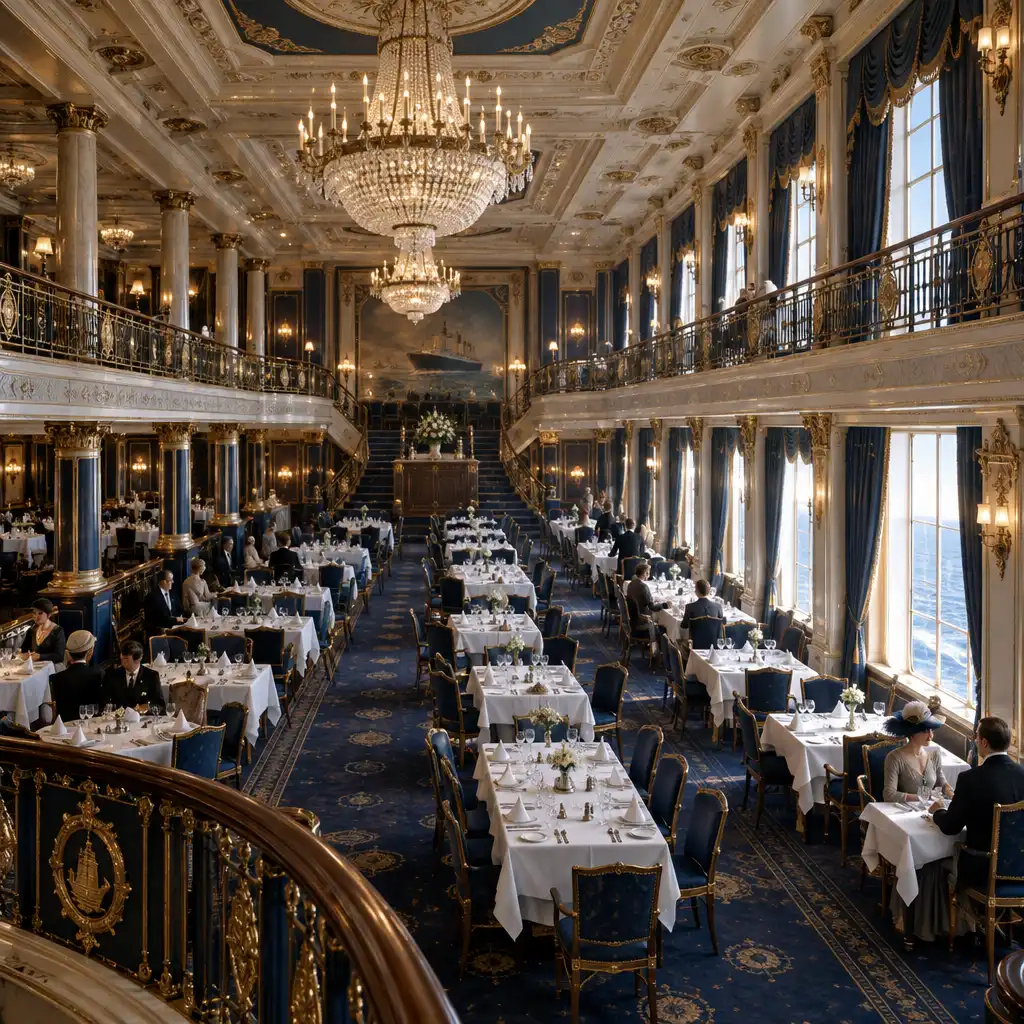
The ocean liner experience is steeped in tradition, from formal dress codes to grand dining rooms and attentive service. Liners often feature multi-tiered dining rooms with assigned seating, and formal nights and afternoon tea are common traditions. The atmosphere is more intimate and refined than a resort-style cruise ship.
This formality is not stiffness for its own sake; it is a deliberate framing of time at sea as an occasion. Passengers dress for dinner, linger over conversation, and observe small rituals that have been part of liner travel for more than a century.
The Golden Age of Ocean Liners
Icons of the Transatlantic Era
From the early 20th century to the 1960s, ocean liners like the Titanic, Queen Mary, and Normandie symbolised national pride and technological achievement. Liners competed for speed, luxury, and prestige, carrying immigrants, celebrities, and heads of state. The era declined with the rise of transatlantic jet travel.
1840
Cunard Line begins regular transatlantic service, establishing the first reliable scheduled crossings.
1912
Titanic sinks, leading to improved safety regulations and a renewed focus on lifeboat capacity and wireless communication.
1936
Queen Mary enters service, setting speed records and becoming a symbol of transatlantic elegance.
1969
Queen Elizabeth 2 launches, bridging the liner and cruise eras with a more versatile design.
Ocean Liners vs. Cruise Ships
Design, Purpose, and Experience Compared
A side-by-side comparison of ocean liners and cruise ships across hull design, speed, itinerary style, onboard atmosphere, and passenger capacity. Liners have stronger hulls and higher speed; cruise ships prioritise stability and amenities. Liners follow point-to-point routes; cruise ships sail circular itineraries. Liners offer formal, intimate experiences; cruise ships offer resort-style variety.
| Feature | Ocean Liner | Cruise Ship |
|---|---|---|
| Primary purpose | Point-to-point ocean crossing | Leisure cruising with multiple ports |
| Hull design | Stronger, deeper draft, higher freeboard | Optimised for stability and passenger comfort |
| Speed | Higher sustained speed for schedules | Moderate speed; itinerary flexibility |
| Onboard atmosphere | Formal, intimate, traditional | Resort-style, casual, varied |
| Passenger capacity | Typically fewer passengers | Often thousands of passengers |
The Onboard Experience
Refined Dining and Timeless Traditions
Ocean liners are known for their grand dining rooms, formal service, and traditional rituals like afternoon tea and captain's dinners. Dining rooms often feature multi-tiered layouts and assigned seating, and dress codes are more formal than on cruise ships. Afternoon tea is a cherished daily tradition.
With fewer passengers and a focus on relaxation, ocean liners offer a more intimate and contemplative travel experience. Public spaces are elegant and understated, and entertainment is often more low-key, such as lectures, classical music, and ballroom dancing. The pace is slower, encouraging conversation and reflection.
Modern Ocean Liners
Queen Mary 2: The Last True Ocean Liner
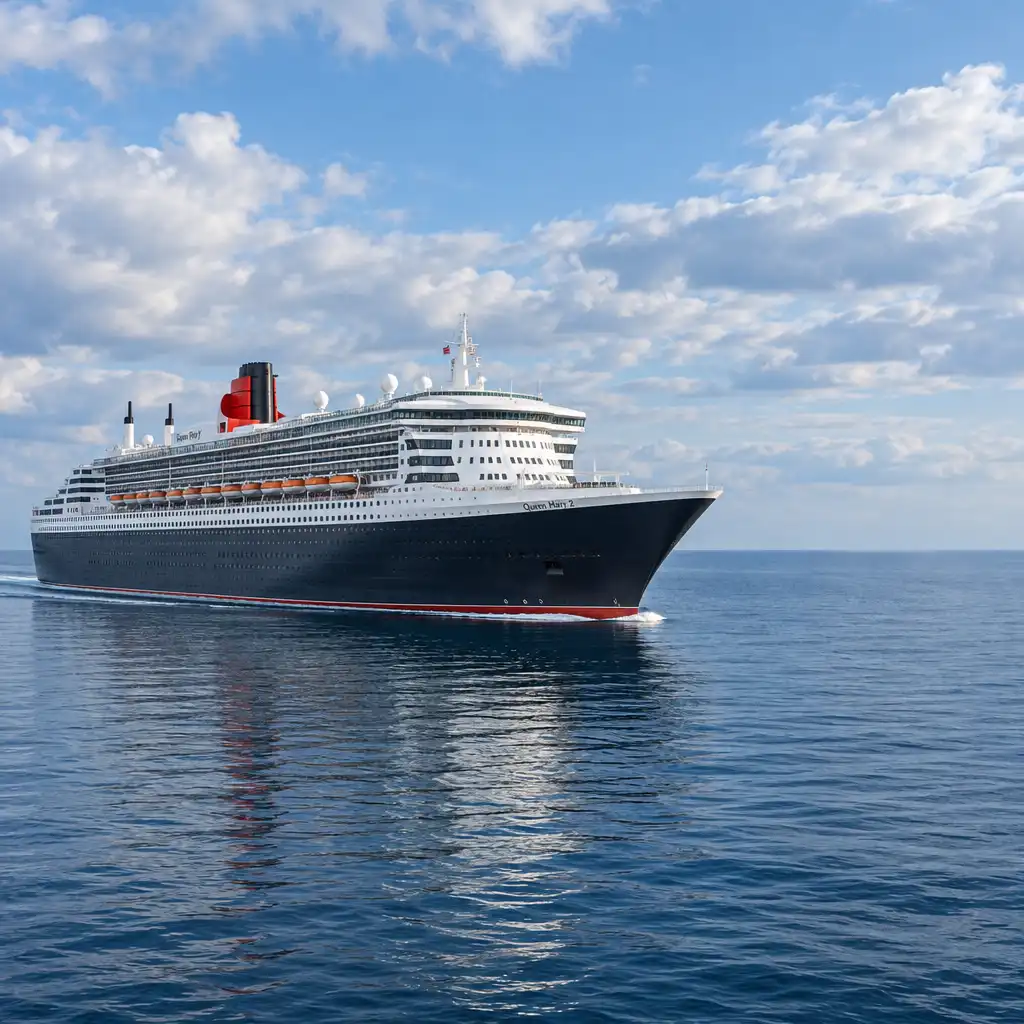
Cunard's Queen Mary 2 is widely regarded as the only true ocean liner in regular service, offering transatlantic crossings that evoke the golden age. QM2 was purpose-built for the North Atlantic route, with a strengthened hull and higher speed than typical cruise ships. Onboard, she offers formal dining, a planetarium, and traditional liner amenities.
She operates transatlantic crossings between Southampton and New York, maintaining a schedule that echoes the great liners of the past. For many travellers, a voyage on QM2 is the closest modern equivalent to the classic liner experience.
Is an Ocean Liner Voyage Right for You?
Consider Your Travel Style
Ocean liners appeal to travellers who value tradition, formality, and a slower pace, while cruise ships offer more variety and casual options. Choose an ocean liner if you enjoy formal dress codes, refined dining, and a quiet atmosphere. Choose a cruise ship if you prefer resort-style amenities, multiple dining venues, and a wide range of activities.
- Ocean liners are best for transoceanic crossings, such as the North Atlantic route.
- Cruise ships excel at port-intensive itineraries with frequent stops.
- Liners typically carry fewer passengers, creating a more intimate atmosphere.
- Cruise ships offer more variety in dining, entertainment, and casual options.
Further Reading and Resources
Explore More on CARZONE GROUP
Discover detailed guides to cruise ships, cabins, dining, and itineraries to help you plan your next voyage.
- Cruise Ships — modern ship profiles and comparisons
- Cabins and Suites — accommodation guides for every budget
- Ship Reviews — in-depth editorial reviews and ratings